Before paving, Patrick and I built a roofing business in Mississippi. Three years, $25 million in closed revenue, all from inbound calls. No door-knocking, no storm-chasing, no buying shared leads from a farm. The phone rang because we'd built the same kind of marketing system you're reading about now, on a different vocabulary.
The pattern was identical. Patrick ran the crews and the day-to-day. I ran the marketing systems remote. Every keyword, every page, every tracked number was built around one trade only. We didn't take pest control clients on the side. We didn't add HVAC to the website. The decision to specialize was the decision to win.
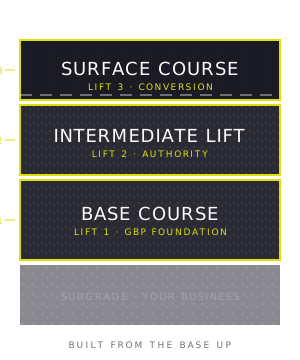
Paving was the second vertical. The mechanism didn't need invention. It needed translation. It took 90 days to retrain the system on paving keywords, paving citations, paving seasonality. The base-course-up SEO method, the call-tracked numbers per service line, the AI receptionist, the 50-postcard drop, the per-state lock, all of it carried over. The only thing that changed was the vocabulary. PavePro was client zero of the paving build. The 4 founding seats remaining are open because Patrick took the first one.
The reason this matters when you're shopping agencies: most paving marketing agencies you'll find online launched paving as a side vertical in the last 18 months because the search volume started moving. They're learning paving on your retainer. Patrick and I learned the playbook on a different trade with a partner whose livelihood was on the line, and we ran it for three years before bringing it to paving. The system you'd hire is the system that paid Patrick's roofing crew through three Google algorithm updates, then the system that paid his paving crew through three more. That's six clean updates without a ranking drop on the same mechanism, just different vocabulary. That's what separates a paving marketing agency from a generalist who added paving to the menu last quarter.